
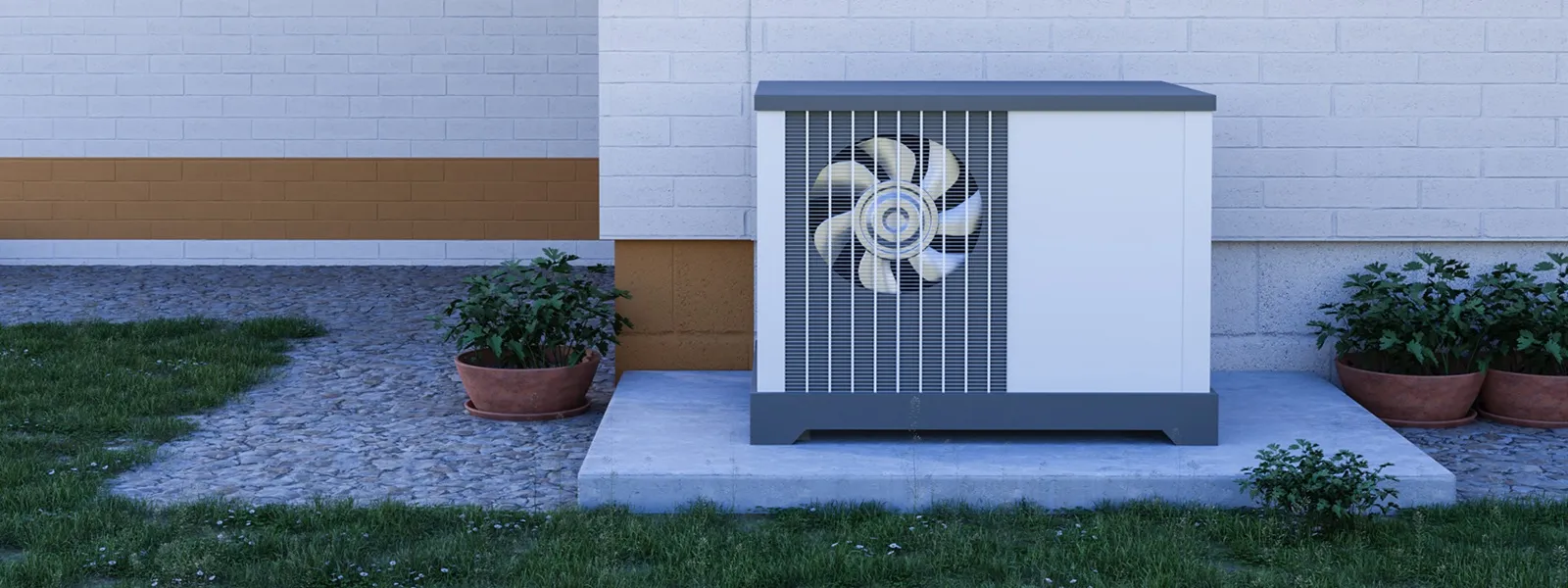
Why Every Private Care Home Should Switch to Air Source Heat Pumps in 2026
The Autumn Budget 2025 has landed a double blow on care homes: employer NI hikes adding £1.5bn+ to payroll costs and energy prices set to climb 3.6% into 2026. But here’s the silver lining: there’s a proven, government-backed solution that can slash your biggest variable expense – heating – by 30–50% while ticking the CQC “Well-led” sustainability box under the new Single Assessment Framework.
Enter air source heat pumps (ASHPs) – the most energy-efficient heating technology for care homes right now. Unlike solar PV (great for electricity), ASHPs target the #1 energy cost: heating (40–60% of bills, or £8,000–£25,000 annually for a 40–80 bed home). With the £7,500 Boiler Upgrade Scheme (BUS) grant still available and net zero mandates by 2050, switching isn’t just smart – it’s essential for financial resilience and regulatory compliance.
Why Heating Is the Silent Budget Killer – and ASHPs Are the Fix
Care homes are energy hogs: constant hot water for hygiene, zoned heating for resident comfort, and 24/7 operation. Gas boilers (still in 70% of homes) are inefficient (80–90% at best) and volatile, with prices up 15% YoY. The NI hikes make every £1,000 saved on heating a lifeline for staff retention or resident care.
ASHPs change the game: they pull free heat from ambient air (even at -15°C with modern models) and deliver it via electricity, hitting 300–400% efficiency (3–4 units of heat per 1 unit of electricity). For a typical 50-bed home:
- Annual savings: £2,000–£5,000 vs. gas (higher for oil/LPG homes).
- Payback period: 8–12 years with the £7,500 BUS grant (down from 14–18 years without).
- CQC alignment: Demonstrates proactive risk management (W10–W14) and sustainability – inspectors are increasingly asking about energy efficiency as part of governance.
Real-world proof: A 45-bed nursing home in the Midlands switched to ASHPs in Q3 2025 and cut heating costs by 42% (£4,200/year), per Energy Saving Trust case study. With 19.6% of care homes exploring low-carbon heating (Skills for Care, Oct 2025), the momentum is building – but the BUS grant is first-come, first-served and won’t last.
Funding & Finance Options: Making ASHPs Affordable in 2025/26
The good news? Multiple schemes make ASHPs accessible, covering 50–100% of costs for eligible homes. Here’s the full picture:
- Boiler Upgrade Scheme (BUS): £7,500 grant for ASHPs (or £5,000 for biomass in rural cases). Available until March 2028 (£295m budget for 2025/26). Eligibility: England/Wales care homes replacing fossil fuel/electric systems. Apply via MCS-certified installer – no means-testing, but EPC C or better recommended.
- Energy Company Obligation (ECO4): Up to 100% funding for low-income homes (income <£36,000 or on benefits). Covers ASHP + insulation (up to £30,000 total). Runs until March 2026; available for private care homes as “social housing equivalents.”
- 0% VAT on Low-Carbon Heating: Until March 2027, ASHP installations are VAT-free (saving 20%, or £1,500–£3,000 on average).
- Warm Homes Local Grant: Up to £15,000 from local authorities for energy-efficient upgrades (including ASHPs) in low-income areas. Starts April 2025 (£500m over 3 years); check your council for eligibility.
- Finance Options: Green Home Finance loans (0% interest via banks like Barclays) or ECO4 Flex (up to £10,000 interest-free). For care homes, some providers offer 0% VAT leasing (spread payments over 5–7 years).
Combine BUS + ECO4 for near-full coverage – e.g., a £12,000 ASHP drops to £0–£2,000 out-of-pocket.
The 2026 Timeline: Act Now for Maximum Savings
Don’t wait for the next bill shock. Here’s the step-by-step roadmap to get your ASHP installed and generating savings by spring 2026:
- Assess & Apply (Now – Dec 2025): Get a free EPC survey (£500–£1,000, often grant-funded) to confirm suitability. Apply for BUS (£7,500) via an MCS-certified installer – processing 4–6 weeks.
- Design & Planning (Jan–Feb 2026): Choose zoned systems for resident comfort (underfloor integration). Secure planning permission (8 weeks for air-source).
- Installation (Mar–Apr 2026): 1–2 weeks on-site; minimal disruption with hybrids.
- Go Live & Save (May 2026+): Peak summer savings + year-round efficiency. ROI accelerates with rising gas prices (5–10% hike forecast).
Funding boosters: ECO4 (£5,000 for low-income residents) + low-interest green loans (£10,000 via ECO4 Flex).
Why ASHPs Beat the Alternatives for Care Homes
| Solution | Efficiency | Annual Savings | Upfront Cost (post-grant) | Care Home Fit |
| Air Source Heat Pump | 300–400% | £2,000–£5,000 | £3k–£7k | Best – zoned heating, quiet, CQC-aligned |
| Ground Source Heat Pump | 350–450% | £3,000–£6,000 | £10k–£20k | Good for large sites with land |
| Biomass Boiler | 80–90% | £1,000–£3,000 | £8k–£15k | Rural/off-grid only |
| Smart Electric Radiators | 100–150% | £500–£1,500 | £2k–£5k | Supplementary, not primary |
Sources: Energy Saving Trust (2025); Heatable (July 2025); CQC State of Care 2024/25 (Oct 2025); Ofgem BUS (Nov 2025); Skills for Care (Oct 2025).
Next Steps: Make 2026 Your Year of Heating Independence
The window is narrow – BUS grants are depleting, and NI costs are here to stay. Start with a free ASHP feasibility assessment (contact an MCS installer via GOV.UK). For Care Circle Network members, we’re compiling a vetted list of trusted providers – reply to this article to get on it.
Switching to ASHPs isn’t just about savings – it’s about future-proofing your home against costs, compliance, and climate risks. Your residents deserve comfortable, sustainable care – and your bottom line deserves the relief.
Care Circle Network is committed to helping care homes navigate the energy transition. Join the conversation in our forums or subscribe for more practical guides.