Care Circle Network Specialist Series
Fire Safety in Health and Social Care: Protecting People, Property and Lives
Creating safer care environments through effective fire prevention, emergency planning and staff awareness.
Fire safety in care settings is not simply a compliance requirement. It is a core responsibility that protects vulnerable people, staff, visitors and the continuity of safe care.
Fire safety is a fundamental responsibility within every health and social care setting. Whether operating a residential care home, supported living service, domiciliary care organisation or healthcare facility, providers have a duty to ensure that people are protected from the risks associated with fire.
While fires in care environments are relatively uncommon, the consequences can be devastating. Many individuals receiving care may have reduced mobility, cognitive impairments or complex health conditions that make evacuation more challenging. As a result, effective fire prevention and emergency planning are critical components of safe care delivery.
Why Fire Safety Matters
Unlike many workplaces, health and social care settings often support vulnerable individuals who may require assistance to respond to emergencies. Residents may be asleep, unable to hear alarms, unfamiliar with evacuation procedures or physically unable to leave a building without support.
This places significant responsibility on providers to ensure that appropriate fire safety measures are in place and regularly reviewed.
Fire safety is not simply about complying with legislation. It is about creating environments where people can live, work and receive care safely and with confidence.
Understanding Common Fire Risks
Many fires are caused by preventable factors. Identifying and managing risks is one of the most effective ways to reduce the likelihood of an incident occurring.
Common causes of fire within care environments include:
- Faulty electrical equipment
- Overloaded sockets and extension leads
- Kitchen accidents
- Smoking materials
- Poor housekeeping and clutter
- Misuse of heating equipment
- Flammable chemicals and cleaning products
- Deliberate fire setting or arson
Regular inspections and risk assessments can help organisations identify potential hazards before they become serious problems.
The Importance of Fire Risk Assessments
Fire risk assessments form the foundation of an effective fire safety strategy.
A comprehensive assessment should identify potential sources of ignition, combustible materials, vulnerable individuals and any factors that could hinder evacuation. It should also evaluate the effectiveness of existing control measures and identify areas for improvement.
As care services evolve, buildings change and resident needs become more complex, risk assessments should be reviewed regularly to ensure they remain accurate and relevant.
Supporting Vulnerable Individuals
One of the most significant challenges in health and social care is ensuring that emergency procedures reflect the needs of the people being supported.
Individuals living with dementia, learning disabilities, sensory impairments or reduced mobility may require personalised evacuation arrangements. Understanding these needs in advance allows providers to develop practical and realistic emergency plans.
Personal Emergency Evacuation Plans (PEEPs) can help ensure that staff understand the support required by specific individuals during an emergency and reduce confusion should an evacuation become necessary.
The Role of Staff
Even the most sophisticated fire safety systems rely on people responding appropriately when an incident occurs.
Staff play a crucial role in preventing fires, recognising potential hazards and taking appropriate action during emergencies. Clear procedures, regular communication and ongoing awareness help ensure that everyone understands their responsibilities.
Employees should know:
- How to raise the alarm
- Emergency evacuation procedures
- The location of fire exits
- Assembly point arrangements
- How to report fire hazards
- The importance of maintaining clear escape routes
Confidence and preparedness can make a significant difference during a real emergency.
Creating a Fire-Safe Environment
Effective fire safety involves a combination of prevention, detection and response measures.
Many care providers invest in systems such as:
- Smoke and heat detection equipment
- Fire alarm systems
- Emergency lighting
- Fire doors and compartmentation
- Clearly marked escape routes
- Fire-resistant furnishings and materials
However, maintaining these systems is just as important as installing them. Regular testing, servicing and inspection help ensure equipment remains fully operational when needed.
Fire Drills and Emergency Planning
Emergency plans should never exist solely on paper.
Regular fire drills provide opportunities to test procedures, identify weaknesses and familiarise staff with evacuation processes. They can also help organisations evaluate how effectively they would respond in a real incident.
Learning from exercises and reviewing outcomes allows providers to continually improve their preparedness and strengthen overall safety arrangements.
Looking Ahead
As care services continue to evolve, fire safety remains a core element of quality care provision. Advances in building design, alarm technology and risk management have significantly improved safety standards, but vigilance remains essential.
For health and social care providers, protecting people from fire is about more than meeting regulatory requirements. It is about safeguarding lives, preserving dignity and ensuring that vulnerable individuals receive care in environments where their safety is always a priority.
By maintaining strong fire prevention practices, regularly reviewing risks and fostering a culture of awareness, organisations can help create safer environments for residents, service users, visitors and staff alike.
Specialist Series Insight
This feature forms part of a care-sector editorial series focused on practical training, safer environments and stronger emergency preparedness across health and social care.
In partnership with Social Care TV
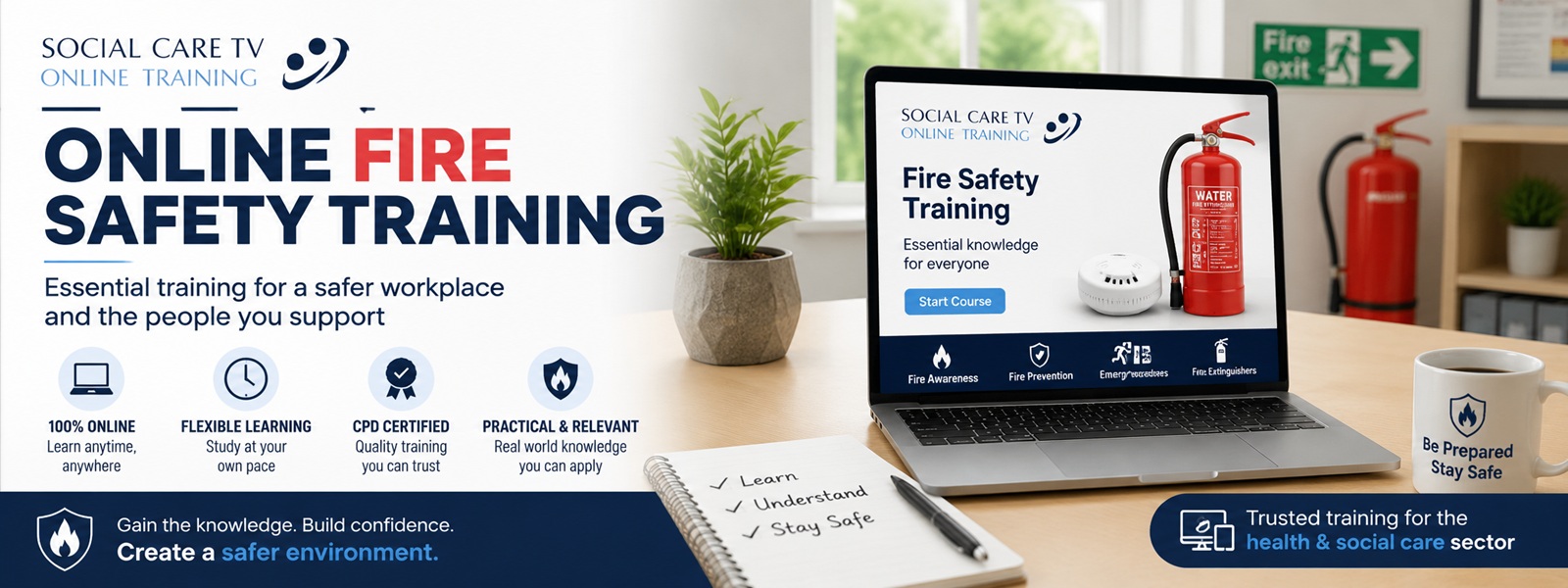
Find out more about fire safety training
Social Care TV provides online care-sector training designed to support compliance, professional development and safer workplace cultures.